Politics
Memphis 2026 Election: Candidates Spotlight Jobs, Services and City Infrastructure
Residents face stark choices in the August election as candidates unveil plans for job growth, public services, and investment in Memphis infrastructure.
Listen in English · 4 min
How we reported this
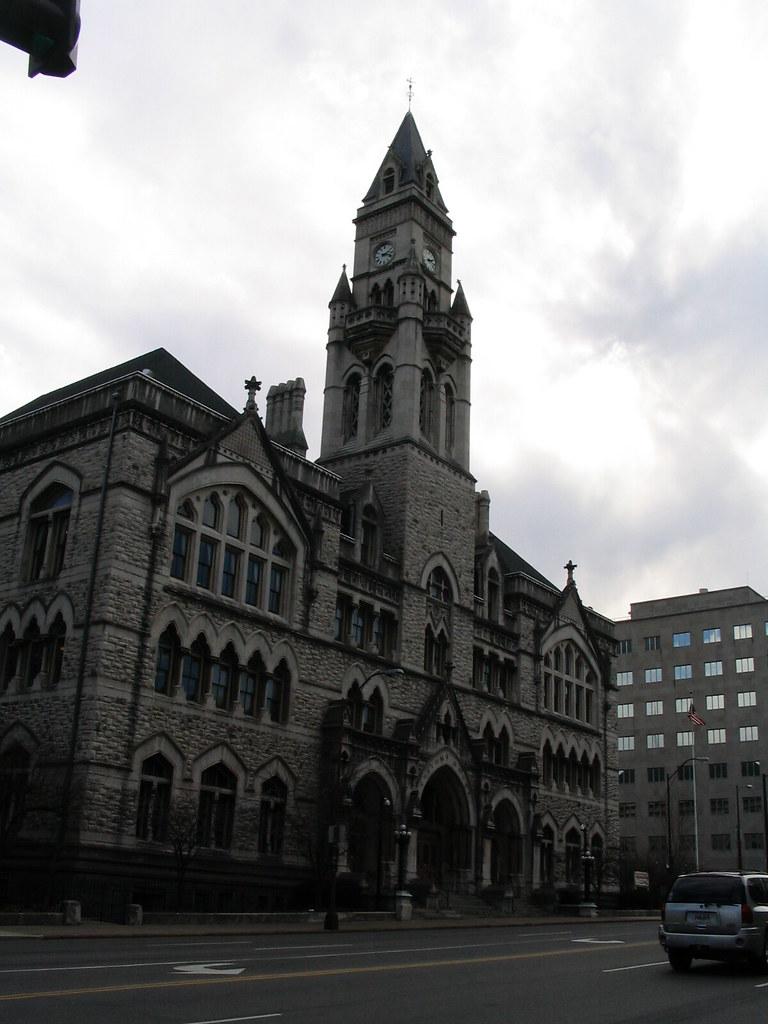
As the August 6 citywide election approaches, voters in Memphis are weighing candidate promises on jobs, public services and local infrastructure. At least four mayoral hopefuls and dozens of city council contenders have released policy platforms focused heavily on economic opportunity and the day-to-day services Memphians rely on from road repairs to safety, transit and housing.
Economic Opportunity and Services at Forefront
The contest comes as Memphis continues its economic recovery following several tumultuous years for the regional labor market. Shelby County’s unemployment rate hovered at 5.2% in May, according to data from the Bureau of Labor Statistics, above the 4.1% national average. Policy analysts say job creation is a persistent concern, especially in North and South Memphis where recent closures of two light manufacturing plants cost nearly 450 positions since March. Candidate proposals range from targeted business incentives to expand existing logistics and healthcare employers, to direct investment in workforce training programs managed by the Greater Memphis Chamber.
City services are also a focal point. Advocates note that Memphis spends about $307 million annually on public safety, more than half its $599.1 million general fund (FY2025 Budget). Repair backlogs and bus service complaints are also driving debate. Several leading candidates back a capital program to resurface 160 miles of city streets over four years, citing Public Works Department data that pothole reports rose by 23 percent between January and May.
Infrastructure Commitments and Local Daily Life
For residents, infrastructure policy goes beyond abstract budget lines. Central High School parent Angela Wilson, who lives near Lamar Avenue, cited frequent sewer backups on her block. Platforms in the mayoral race specifically reference increased investment in Memphis Light, Gas and Water infrastructure, with the current administration allocating $34 million this year to water system improvements. Transit is also in the spotlight, with MATA reporting bus ridership gains of seven percent this spring as federal pandemic supports phase out. The City Council Transportation Committee recently approved a resolution backing refurbishments at the Hudson Transit Center, aiming to reduce commuter wait times in Orange Mound and Frayser.
Policy documents show most candidates support extending funding for the Affordable Housing Fund, which currently provides $5.1 million in gap financing for repair and construction of low-income units. Local advocates say the fund helped 470 households last year and is projected to aid 500 in 2026 if the next council continues prioritising housing stability.
What’s Next for Voters and the City
Voters will have the chance to question all mayoral and council candidates at a town hall hosted by the Memphis Urban League on July 15 at the Benjamin L. Hooks Library. Early voting begins July 18 at 17 locations across the county, according to the Shelby County Election Commission. Whichever slate prevails, budget hearings this autumn will determine how campaign promises on infrastructure, services and job growth translate into concrete projects for neighborhoods across Memphis. City finance staff plan to release their midyear infrastructure capital improvement update in September, providing residents a first look at whether election-season pledges are moving forward.